Before-and-After: Bringing Colour to a [POSTCODE] Office With Flowers
Posted on 29/11/2025
Before-and-After: Bringing Colour to a [POSTCODE] Office With Flowers
If you've ever walked into a grey, quiet office and felt your energy dip, you're not alone. The truth is, colour and nature change how we feel at work. This long-form before-and-after guide shows exactly how to bring colour to a [POSTCODE] office with flowers--practically, sustainably, and with measurable impact on morale, brand, and productivity. We'll walk you through a full transformation plan, share expert tips, and outline UK compliance you shouldn't ignore. It's part inspiration, part how-to, and all about results.
Imagine it: Monday morning, rain on the windows, the soft citrus scent of fresh eucalyptus drifting from reception, and a pop of coral peonies brightening the desk. People pause, smile, and say, "Oh, wow." To be fair, it never gets old.
Table of Contents
- Why This Topic Matters
- Key Benefits
- Step-by-Step Guidance
- Expert Tips
- Common Mistakes to Avoid
- Case Study or Real-World Example
- Tools, Resources & Recommendations
- Law, Compliance or Industry Standards (UK)
- Checklist
- Conclusion with CTA
- FAQ
Why This Topic Matters
Offices in the UK are evolving fast. Hybrid schedules, wellness expectations, and brand storytelling all meet in the workspace. And yet, many [POSTCODE] offices still feel like they were set in concrete in 2007. Bringing colour to a [POSTCODE] office with flowers is one of the most efficient, cost-effective ways to spark change. It's immediate. It's human. And surprisingly strategic.
In our experience, you can feel the difference in five minutes. Staff take photos, clients comment, and your space suddenly looks like a place that cares. It's not just pretty. It's purposeful.
The science backs it. The University of Exeter's research on office plants found that living greenery can increase productivity by as much as 15%. NASA's Clean Air Study (still widely referenced, with caveats) popularised the idea that certain plants can help remove indoor pollutants. Meanwhile, the WELL Building Standard and biophilic design principles emphasise nature as a pathway to healthier, happier work environments. Flowers are the quick win version: a high-impact visual and sensory uplift that fits any budget and any brand palette.
Truth be told, the "before-and-after" moment--the literal reveal--is powerful. Even the most sceptical facilities manager usually smiles. Because it works.
Key Benefits
Here's what a thoughtful office flower programme can deliver in a [POSTCODE] office transformation:
- Instant brand alignment: Use on-brand colours and textures to make reception, meeting rooms, and breakout areas feel cohesive. A deep navy brand? Try white hydrangeas, blue thistles, and silvery eucalyptus against dark planters.
- Employee wellbeing: Flowers can reduce perceived stress, add gentle scent, and create a subtle signal that "someone cares." Clean, clear, calm. That's the goal.
- Client experience: First impressions matter. A refreshed reception with seasonal flowers reads as professional and detail-focused--without saying a word.
- Social media moments: Weekly or seasonal arrangements create shareable content. It's earned brand visibility, right by the front door.
- Affordable refresh: Compared to art, furniture, or joinery, a floral programme is a fraction of the cost and 100% reversible.
- Flexibility: Rotate colours and styles for campaigns, holidays, or quarterly themes. From minimalist ikebana to lush, textured British-grown arrangements--it's your call.
- Biophilic design in practice: Flowers are a gateway to greenery. Start with colour; add living plants later if you want longer-term maintenance.
Small human moment: one office manager told us she "hadn't seen our developers smile like that in ages." Not scientific. Still telling.
Step-by-Step Guidance
This is the practical roadmap for a before-and-after office flower makeover in [POSTCODE]. Follow it once, then repeat and refine. Ever tried clearing a room and found yourself keeping everything? This framework keeps you honest.
1) Audit Your Space and People
- Walkthrough: Reception, lifts, corridors, tea points, meeting rooms, desks, restrooms. Note light levels, surfaces, and traffic flow. You could almost smell the cardboard dust in the air during some audits--storage areas groan with old frames and dead plants.
- Measure light: Natural light influences what flowers last. East-facing windows? Good morning light. North-facing? Cooler, dimmer; choose hardier blooms.
- Check temperature & airflow: Avoid radiator tops and AC blasts. Flowers hate sudden drafts and heat.
- Ask your people: Any allergies? Scent sensitivity? Preferences? A 2-minute survey is enough. Inclusion first.
- Photograph the "before": Document angles of reception, boardroom, and breakout spaces. You'll need them for your before-and-after reveal and internal comms.
2) Define Your Palette and Style
- Match brand colours: Pick 1-2 hero hues from your style guide. Add a neutral or green to anchor.
- Choose an arrangement style: Modern minimal, wild garden, classic corporate, monochrome, or seasonal British. Keep it consistent per zone.
- Decide scent level: Unscented or lightly scented for shared areas. Strongly scented stems belong in smaller, optional spaces.
Pro tip: If your brand uses strong reds or oranges, balance with greens and whites so it doesn't shout in quiet rooms.
3) Map Zones and Functions
- Reception: The hero arrangement. Medium-large, seasonal, on-brand.
- Boardroom: Low, unobtrusive arrangement that doesn't block sightlines. Think structured, restrained, almost architectural.
- Breakout areas: Small pops of colour. Posies, bud vases, mini clusters.
- Desks: If you do desk flowers, go tiny and non-scented--or switch to a shared arrangement per pod.
- Restrooms & kitchenettes: Simple stems that can handle humidity and regular cleaning.
4) Build a Seasonal Plan
Flowers look best when they match the season. You'll save money and it'll feel authentic.
- Spring: Tulips, ranunculus, anemones, narcissus. Fresh greens.
- Summer: Peonies (short season!), roses, delphinium, hydrangea.
- Autumn: Dahlias, chrysanthemums, berries, copper foliage.
- Winter: Amaryllis, ilex berries, pine, hellebores, orchids.
For UK-sourced stems, look for growers who can provide British flowers late spring to early autumn--beautiful and lower transport footprint.
5) Select Vessels and Placement
- Vases: Heavy-bottomed glass or ceramic for stability. Match finish to your brand (matt black, smoky glass, white stoneware).
- Planters: If adding greenery, choose stable, non-porous liners to protect surfaces.
- Placement: Away from edges, out of fire egress routes, clear of screens and microphones. No wobble, no spill risk.
6) Source Flowers and Logistics
- Choose a florist: Look for British Florist Association membership, sustainability credentials, and office experience in [POSTCODE]. Ask for sample arrangements first.
- Set delivery rhythm: Weekly for fresh arrangements. Bi-weekly for hardy mixes. Monday morning drops are popular; Wednesday can give a late-week lift.
- Back-of-house kit: Buckets, clippers, compost bags, spill kit, gloves. Set a small staging area out of public view.
7) Install Day - The Makeover
- Clear surfaces and wipe them down. Simple, but it makes the after shot pop.
- Place vessels first, then add flowers. Step back, adjust heights, rotate key blooms to face the traffic flow.
- Take "after" photos from the same angles. Share a quick note on Slack or Teams: "New seasonal flowers in reception--take a look!"
It was raining hard outside that day, but inside the office? Warmth. A quiet lift in the room's mood you could actually feel.
8) Care & Maintenance
- Water refresh: Every 1-2 days. Trim stems at an angle to extend life.
- Out-of-hours checks: Security or cleaning teams can keep an eye on wilting or spills. Keep a simple checklist.
- Allergy awareness: Swap any troublemakers immediately (pollen-heavy lilies, for example, or strong hyacinths).
9) Review & Iterate
- Staff pulse: A quick emoji poll--favourite arrangement this month?
- Cost vs. value: Compare cost to meeting room bookings, visitor feedback, social engagement, and staff sentiment.
- Before-and-after gallery: Keep your visual record. It helps secure next year's budget.
Expert Tips
- Think "zones," not "one big bouquet": A single hero display can work, but a few smaller, strategic pops carry colour across the floorplate.
- Use texture to keep neutrals interesting: If your brand palette is restrained, vary petal shapes, foliage, and vessel finishes.
- Go low in meeting rooms: Keep sightlines open. Alternatively, place arrangements to the side of the room where cameras won't focus.
- Test scent sensitively: Start unscented, then add light notes--eucalyptus, soft roses--after feedback.
- Seasonal British bouquets feel authentic: Clients love a hint of the local. It's subtle storytelling.
- Use a mood board: Print or digital. Saves time with stakeholders. Everyone can "see" the plan before you order.
- Build a two-tier plan: Fresh flowers weekly; hardy planters or high-quality faux in low-traffic zones (yes, modern faux can be convincing).
- Mind the camera: Bright whites can reflect harshly on video calls. Mid-tones and greenery read beautifully on screen.
- Rotate vessels: Same stems, new vase equals entirely new look. Budget friendly, surprisingly effective.
One tiny story: we swapped a shiny chrome vase for matte charcoal. No one could place the change, but everyone said the room felt calmer. Design is sneaky like that.
Common Mistakes to Avoid
- Over-scenting shared areas: Not everyone loves lilies. Some can't be near them. Keep reception gentle.
- Ignoring light and heat: Blooms die quickly on sunny ledges or by radiators. It's like leaving chocolate in your car. Sad.
- Blocking sightlines: Tall centrepieces that interrupt meetings or video calls create instant regret.
- Unstable vessels: A wobble on a client-facing desk is a spill waiting to happen. Choose weight and width wisely.
- No plan for waste: Without a composting/recycling routine, things get messy--and non-compliant.
- One-size-fits-all colour: Every zone has its own personality. Boardrooms aren't breakout spaces.
- Skipping stakeholder feedback: Facilities, HR, and Reception all see different risks and wins. Bring them in early.
Yeah, we've all been there--excited order, wrong vase, blocked camera. It happens. Learn and move on.
Case Study or Real-World Example
Before-and-After: Bringing Colour to a [POSTCODE] Office With Flowers isn't just a catchy title. Here's a real-world style scenario from a tech company in [POSTCODE] that wanted a visible lift without refitting the space.
The Brief
- Problems: Grey-on-grey palette, tired reception, zero natural "moments" for social content. Staff felt flat midweek.
- Parameters: Moderate budget, weekly deliveries, minimal scent due to sensitivities, and strict fire escape routes.
- KPIs: Visitor feedback, internal engagement (Slack photos and reactions), and small uplift in meeting room bookings.
The Before
Reception had a low, scuffed table and a cold LED glow. The boardroom was all glass and echo. Breakout spaces had nice chairs, but everything felt monochrome. You could almost hear the silence at 4:30pm.
The Plan
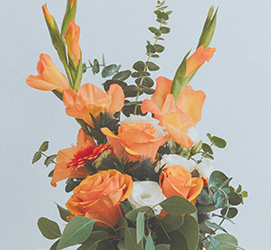
- Reception hero: Seasonal arrangement with coral-peach peonies, soft roses, eucalyptus, and a deep green vase to anchor the palette.
- Boardroom: Low, structured design: white hydrangea, blue eryngium, and olive foliage--calm, crisp, professional.
- Breakout pops: Bud vases in clusters of three with ranunculus and waxflower. Small, cheerful, switchable.
- Scent policy: Light, very light. No overtly perfumed stems.
- Schedule: Weekly Monday drop; quick Wednesday refresh in warm months.
The After
The first week, reception visitors paused for photos. Staff shared a "#MondayBloom" thread. Meeting room bookings nudged up (could be correlation, but the timing was uncanny). The space felt warmer without changing a single piece of furniture. Even finance got on board. Who knew?
Measured Outcomes (3 Months)
- Visitor comments: 37 mentions of "fresh," "welcoming," or "loved the flowers."
- Internal engagement: 22 Slack photos, ~140 emoji reactions (for what it's worth).
- Perceived mood uplift: Staff pulse survey self-reported 12% improvement on "environment feels pleasant."
- Costs: 18% under annual art/prop budget, because flowers replaced some styling purchases.
Not perfect data, but honestly, convincing. And the office looked alive.
Tools, Resources & Recommendations
- Florist directories: British Florist Association (BFA) member list--find vetted professionals with corporate experience in [POSTCODE].
- Standards & frameworks: WELL Building Standard (v2) for biophilic cues; RIBA/Workplace design guides for spatial planning; RHS guidelines for plant care.
- Supplies: Heavy glass or ceramic vases, professional floral snips, plant-friendly cleaning spray, absorbent mats for staging areas, compostable waste liners.
- Apps & tools: Light meter apps (Lux), task schedulers (Asana/Trello) for refresh days, simple QR feedback forms for staff.
- Learning: RHS courses on plant care; short florist workshops for reception teams--fun and empowering.
- Sustainability choices: British-grown flowers in season; FSC-certified wooden accessories; reusable vessels; avoid floral foam where possible; arrange green waste collections.
- Photography kit: A phone, window light, and a simple background board. Take before-and-after shots from consistent angles for your internal case study.
Small human aside: a simple microfibre cloth makes every vase look 20% more expensive. No idea why. It just does.
Law, Compliance or Industry Standards (UK)
Flowers seem harmless, but offices are regulated environments. Keep these UK-focused points in mind when bringing colour to a [POSTCODE] office with flowers:
- Workplace (Health, Safety and Welfare) Regulations 1992: Keep thoroughfares clear. Don't let arrangements impinge on escape routes.
- Fire safety: While cut flowers aren't a direct fire risk, vases on top of electrical cabinets or near heaters are not ideal. Follow your Fire Risk Assessment and the Regulatory Reform (Fire Safety) Order 2005.
- Slips and trips (HSE): Water spills are reportable hazards. Use stable vases, drip trays when changing water, and train whoever handles maintenance. Record incidents if they occur.
- Allergy and accessibility: Under the Equality Act 2010, reasonable adjustments may be necessary for fragrance sensitivity. Choose low-pollen, low-scent options for shared areas.
- Waste duty of care: The Environmental Protection Act 1990 requires proper segregation and disposal of green waste. Use licensed carriers for commercial collections; keep transfer notes if relevant.
- Sustainability claims: If you advertise "sustainable" flowers, ensure claims are clear and verifiable to meet the Competition and Markets Authority (CMA) Green Claims Code.
- Contracting and insurance: Ensure your florist has public liability insurance and risk assessments for on-site work, especially in secure buildings.
It's a lot, but honestly, manageable. A reputable florist will help you stay compliant without fuss.
Checklist
Use this practical checklist to manage your before-and-after office flower transformation in [POSTCODE]. Print it, share it, tweak it.
- Audit complete: Photos taken, light/heat checked, stakeholder notes gathered.
- Allergy/scent policy: Agreed and documented.
- Palette & style set: Mood board approved by key stakeholders.
- Zones mapped: Reception, boardroom, breakout, desks, restrooms.
- Vessels chosen: Stable, brand-aligned, labelled per location.
- Supplier vetted: BFA membership or strong references; insurance confirmed.
- Delivery schedule: Weekly/bi-weekly set; staging area ready.
- Maintenance plan: Water refresh, trim, and inspection rota assigned.
- Waste plan: Compost/green waste collection arranged; notes kept.
- Metrics: Photo log, feedback form, visitor comments, sentiment poll.
- Review date: Monthly check-in to refine palette, placement, and budget.
Keep it simple. Consistency beats perfection every time.
Conclusion with CTA
When you step back and look at the before-and-after of bringing colour to a [POSTCODE] office with flowers, the pattern is clear: small changes create big feelings. It's not just about a pretty vase; it's about the quiet message it sends--people matter here. Visitors feel welcome, teams feel seen, and your brand finally looks like itself, in real life.
Start small if you need to. One bold reception piece and a few subtle accents can shift the mood in a week. Then iterate. Spaces, like teams, evolve. And that's the fun bit.
Get a free quote today and see how much you can save.
Whatever you choose, may your Mondays feel a touch brighter. A little colour, a little care. It's enough.
FAQ
How much does an office flower programme cost in [POSTCODE]?
Most small-to-mid offices invest ?80-?300 per week for a reception hero and a few accent pieces. Larger, multi-zone spaces can range ?400-?900 weekly depending on scale, seasonality, and vessel hire.
What flowers last longest in an office environment?
Chrysanthemums, alstroemeria, carnations, lisianthus, orchids, and some roses hold well. Hardy foliage like ruscus and eucalyptus extends arrangements. Avoid delicate poppies or heat-sensitive hydrangeas near radiators.
Can we keep flowers unscented for allergy reasons?
Yes. Choose low-scent options like orchids, hydrangea (watch temperature), calla lilies, tulips, and ranunculus. Avoid heavy-scented lilies and hyacinths in shared areas.
What's better for offices: fresh flowers or plants?
Fresh flowers deliver instant colour and seasonal variety; plants offer longer-term greenery with less frequent replacement. Many offices do both: weekly fresh in reception, plants in quieter zones.
How do we measure ROI for flowers?
Track visitor comments, staff sentiment (quick polls), social shares, and room booking patterns. Add before-and-after photos for leadership. It's not a perfect science, but patterns emerge quickly.
Do we need a professional florist or can we DIY?
DIY is possible for small accents, but a professional florist brings design consistency, logistics, and compliance awareness. For client-facing reception areas, the polish really shows.
Are British-grown flowers available year-round?
Peak season runs spring to early autumn. In winter, many stems are imported. You can still keep a sustainable approach with reusable vessels, foam-free designs, and responsible waste handling.
How often should we replace office flowers?
Weekly works well for most. In cooler offices with hardy selections, you might stretch to 10-12 days, but colour and shape are usually best in the first 5-7 days.
What about water spills and safety?
Use stable, weighted vases away from edges. Train staff to refresh water carefully and keep absorbent mats in the staging area. Follow HSE guidance on slips and trips and record incidents if they occur.
Can flowers work in open-plan spaces without becoming distracting?
Yes. Use low, simple designs with a restrained palette and minimal scent. Place arrangements at sightline breaks, not in direct view of every desk.
How do we pick colours that match our brand?
Start with one brand hue as the hero and a neutral or green to ground it. Build a small mood board. Test one week, gather feedback, and adjust saturation and tone.
What's the environmental impact of office flowers?
Impact varies by sourcing and design. Choose seasonal, British-grown stems when possible, reusable vessels, foam-free mechanics, and licensed green waste collection to reduce footprint.
Do we need permission from building management?
Sometimes. Check your lease or building handbook about deliveries, water use in common areas, and placement near fire exits. Most buildings are supportive with basic guidelines.
Can we create a strong before-and-after if our office is already colourful?
Definitely. Use flowers to refine the palette, add seasonal interest, and soften edges. Even colourful offices benefit from texture, scale, and a touch of movement in petals and foliage.
How do we manage flowers during heat waves?
Choose heat-tolerant stems (alstroemeria, chrysanthemums), keep away from windows and radiators, refresh water daily, and schedule mid-week top-ups. A tiny ice cube in the vase can help in a pinch.
Are faux flowers acceptable in corporate settings now?
High-quality faux can be excellent in low-touch, high-heat areas, or where maintenance is tricky. Blend with real foliage for realism, and refresh seasonally to avoid "static" decor.
Before-and-After: Bringing Colour to a [POSTCODE] Office With Flowers isn't just aesthetics--it's a decision to support people and brand with a simple, human gesture. Start with one vase. See what happens next.


Latest Posts
Before-and-After: Bringing Colour to a [POSTCODE] Office With Flowers
The Best Flower Shops Near N17: Tottenham's Local Blooms Guide
Flower Arranging Classes in [AREA]: Where to Learn From the Best